
Inside the Rings

Olympic Insights
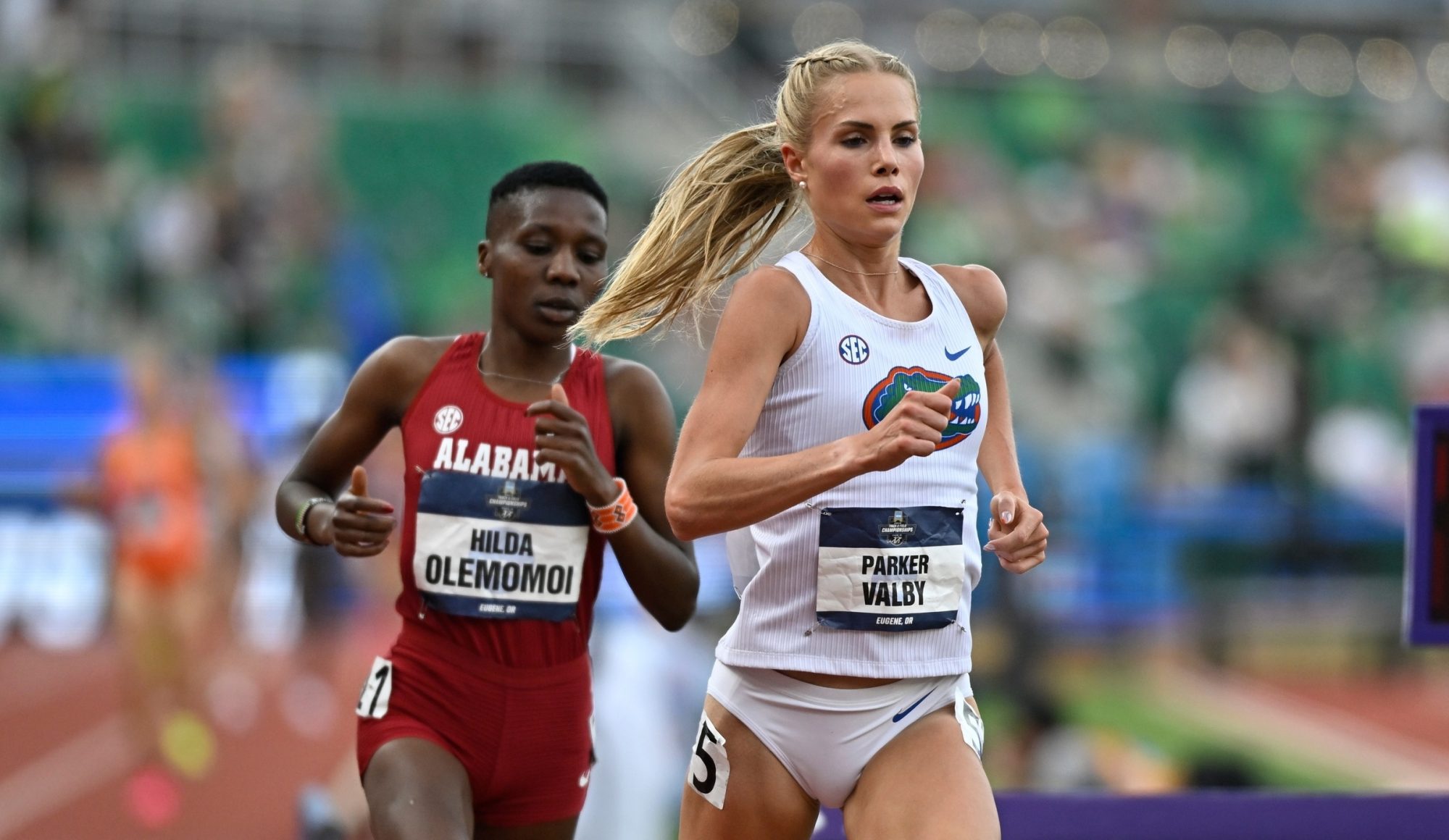
Photo: Craig Strobeck - Imagn Image
How Universities Can Build Elite Olympic Athlete Pipelines
Stanford and UCLA have set the benchmark for universities aspiring to be Olympic forces, consistently producing several Olympians. They have successfully integrated academic rigor with athletic prowess through a mix of strategic investments in infrastructure, coaching, and support services.
This model underscores a critical lesson: institutions must balance academic demands with athletic pursuits to foster comprehensive excellence. For universities, the stakes extend beyond sports; it’s about leveraging these programs to recruit top-tier talent, enhancing institutional reputation, and creating a robust athletic program that thrives across various metrics.
As the 2034 Winter Games approach, universities have a golden opportunity to position themselves as Olympic powerhouses by cultivating partnerships with national sports federations and tailoring programs that meet both academic and athletic needs of elite talents.
👉 Combining academic and athletic excellence is pivotal for elite talent recruitment and development.
Leverage our expertise in creating balanced academic-athletic programs to enhance institutional prestige and attract top-tier talent. Our insights help align strategic investments with recruitment goals.

Graphic provided courtesy of @milanocortina26
Olympic Medal Rankings: A Lesson in Resource Allocation
At the 2026 Winter Games in Italy, several countries achieved record-high placements despite historical underperformance, highlighting a strategic shift in resource allocation towards niche sports.
These surprising successes illustrate how organizations can benefit from reallocating resources strategically to areas with high potential for impact. Just as smaller Olympic teams focus on niche sports to maximize output, businesses can identify and invest in high-impact areas, potentially outperforming larger competitors.
In a rapidly changing environment, adapting resource allocation based on careful data analysis is crucial. Organizations that can pivot swiftly and decisively often gain a competitive edge.
👉 Strategic resource allocation can drive outsized impacts despite limited initial conditions.
Discover how strategic adjustments in resources can leapfrog performance barriers. Let us guide you in identifying where to invest for maximum organizational impact.

Photo by Dean Mouhtaropoulos/Getty Images
Lessons from Milano-Cortina 2026: Team Chemistry Wins
During the 2026 Winter Olympics in Milano-Cortina, unexpected medal victories in less-publicized team events like curling and biathlon mixed-relay highlighted the critical impact of team chemistry on performance.
These successes reveal the profound influence of synergy and mutual trust within teams, underscoring that when individuals come together with a shared purpose, they can exceed expectations even in high-pressure environments. This lesson is pivotal for organizations striving to navigate challenges and capitalize on the full potential of their teams.
Leaders can foster such environments by encouraging clear communication and aligning team goals with broader organizational objectives, thereby improving overall performance and adaptability in dynamic contexts.
👉 Strong team chemistry can transform potential into performance under pressure.
Unlock your team's potential by cultivating chemistry and clear communication. Let our expertise in applying Olympic insights enhance your organization's team dynamics for success.

Photo Courtesy of USOPC
University Pipelines for Olympic Talent Amid Academic Standards
With the 2028 Olympic Summer Games on the horizon, universities like Stanford and USC have stepped into the spotlight for their Olympic athlete development programs. These institutions have effectively balanced athletic prowess with academic excellence, creating a robust support system for future Olympians.
The success of these programs reveals a critical balance that institutions must maintain. As athletic scholarships and training intensify, the challenge becomes nurturing Olympians while ensuring academic integrity. This dual focus not only prepares athletes for sports excellence but also for successful post-athletic careers, highlighting the need for all universities to reassess their athlete development strategies.
Leadership in higher education can draw valuable lessons from these models by aligning with national sports federations and implementing mentorship initiatives. This approach fosters sustainable talent pipelines while upholding educational missions and maximizing institutional impact.
👉 Effective Olympic athlete programs integrate sports excellence with academic success.
As universities prepare for the 2028 Olympic Summer Games, the strategic development of Olympic talent is imperative. Our consulting services can help align your athletic and academic goals for optimal results.

Photo: Yves Herman / Pool Photo via AP
The 2026 Winter Olympics and the Power of Purpose-Driven Leadership
In February, the 2026 Winter Olympics in Milan-Cortina concluded. Beyond the snow and spectacle, organizers highlighted a commitment to sustainability, implementing measures to minimize environmental impact and promote long-term ecological responsibility.
This achievement illustrates the powerful role of purpose-driven leadership, where aligning organizational goals with broader social values can drive significant positive change. Leaders who integrate meaningful values into their strategic frameworks foster cohesion and resilience, enhancing both reputation and impact. This type of leadership not only guides actions but also strengthens stakeholder alignment, fostering environments of trust and accountability.
Organizations that anchor their strategies in purpose are better positioned to adapt to disruptions and seize opportunities, providing a stable platform for innovation and growth. Leaders need to ensure that their purpose resonates authentically with both internal and external stakeholders.
Purpose-driven leadership amplifies organizational influence and legacy.
Bring purpose to your organization's strategic vision and unlock new avenues for growth. Our consulting service helps align your goals with impactful leadership principles. Learn how we can elevate your organization.

Artist: Aecom
Strategic Legacy Planning: Avoiding Rio 2016’s Pitfalls
During the Rio 2016 Olympics, several high-cost infrastructure projects were left underutilized post-Games, leading to significant criticism. The International Olympic Committee (IOC) has responded by emphasizing strategic legacy planning through improved stakeholder alignment.
This evolution in approach highlights the importance of early alignment with key stakeholders, including local governments, communities, and private partners, to ensure sustainable infrastructure use. Misalignment can result in projects that meet immediate needs but fail to deliver long-term benefits, a common pitfall for large-scale events.
Organizations must implement strategic plans with clear legacy goals that align with future community needs. This commitment to sustainability requires ongoing collaboration and oversight.
👉 Strategic stakeholder alignment and clear legacy goals prevent infrastructure pitfalls.
Leaders can secure lasting benefits by ensuring their infrastructure investments align with strategic goals beyond immediate needs.
Start planning today to achieve a sustainable legacy.